


A Guide to Different Types of Cigars: Size, Shape, Flavors & More
Understanding the different types of cigars makes every smoke more intentional. Whether you're just getting started or looking to sharpen your palate, this guide walks you through shapes, wrappers, strengths, and flavors so you know what you're reaching for and why.
TL;DR
| Section | What You'll Learn | Best For |
|---|---|---|
| Cigar Shapes | Parejo vs Figurado, every common vitola, and how shape affects burn and flavor | Smokers who want to go beyond "whatever looks good" |
| Cigar Wrappers | How wrapper color signals flavor, from light Double Claro to dark Maduro | Anyone trying to decode a cigar's flavor before lighting up |
| Cigar Strengths | The difference between mild, medium, and full-bodied: body vs strength explained | Beginners calibrating nicotine; experienced smokers stepping up |
| Flavored Cigars | Fruit, dessert, and beverage infusions worth trying in each category | Anyone curious about flavored cigars or expanding their palate |
| Cut, Light & Store | How to cut and light a cigar properly, and storage at the right humidity | New smokers setting up their first humidor |
Types of Cigar Shapes: Parejo vs Figurado

Cigar shape isn't just about looks. It directly affects how the tobacco burns, how the draw feels, and how flavors develop over the smoke. Cigars fall into two broad categories: parejos and figurados. Parejos are the most common, with a traditional cylindrical shape and even ring gauge from cap to foot. Figurados depart from that norm with tapered heads, wider feet, or a bulge in the middle. Your chosen shape unlocks different nuances from the same tobacco blend, making it one of the most meaningful choices you'll make.
Vitola
Vitola is the term for a cigar's specific size and shape: length combined with ring gauge (diameter). These two measurements define how a cigar smokes more than almost anything else:
- Longer length means a slower flavor build and cooler smoke. A Double Corona gives you a full hour of gradual evolution.
- Larger ring gauge means more filler in each draw, producing a bolder, fuller-tasting smoke. The Gordo at 60+ ring gauge is the clearest example.
- Smaller ring gauge amplifies the wrapper's influence. A Lancero at 38 ring gauge is more wrapper-forward than almost any other shape.
A. Parejo Cigars

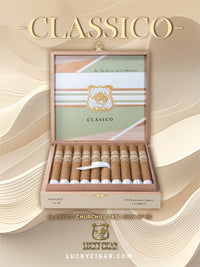
Parejos make up over 80% of cigars on the market. The name comes from the Spanish word for "equal," a reference to the consistent ring gauge from cap to foot that defines this family. The Clasico Robusto is a clean visual reference if you want to see what a standard Parejo looks like.
| Shape | Length | Ring Gauge | Smoke Time | Best For |
|---|---|---|---|---|
| Box-Pressed | Varies | Varies | Varies | Even burn, smooth draw. Good entry point |
| Toro | 6–6.5" | 50–54 | 45–60 min | Well-rounded, full-bodied without overwhelming |
| Gordo | 5–6.5" | 60+ | 60–90 min | Cool, extended burn with bold depth |
| Gigante | 6"+ | 60+ | 90 min+ | Long, slow smoke with layered flavor evolution |
| Robusto | 4.5–5.5" | 50–58 | 30–45 min | Beginners and experienced smokers alike |
| Lancero | 6.5–7.5" | ~38 | 60–75 min | Wrapper-forward complexity for experienced palates |
Box-Pressed
Box-Pressed cigars are pressed into a rectangular shape during boxing, giving them subtly flattened sides. The result is an unusually even, consistent burn that makes them a reliable choice if you're still getting comfortable with how cigars smoke.
Toro

The Toro sits at 6 to 6.5 inches with a ring gauge of 50 to 54, which puts it squarely in the sweet spot: enough length for a full flavor progression, enough girth for a satisfying draw. Browse our Toro cigar collection.
Gordo

The Gordo's 60+ ring gauge means more tobacco per draw: a cooler burn, longer smoke, and a heavier, more intense flavor profile than most other formats. Browse our premium Gordo cigars.
Gigante

Gigante cigars exceed 6 inches with a ring gauge of 60 or more, designed for a slow, 90-minute-plus smoke where flavors build in distinct stages. Explore our Gigante cigars.
Robusto

Robusto cigars sit between 4.5 and 5.5 inches with a ring gauge of 50 to 58. Compact enough for a 45-minute smoke, substantial enough to deliver a full, layered flavor from start to finish. They work for beginners and experienced smokers alike, which is why they're consistently one of the best-selling formats in the market. Browse our Robusto cigar collection to find your match.
Lancero

The Lancero's slender profile (6.5 to 7.5 inches, ~38 ring gauge) puts the wrapper front and center, more so than any other shape. If the wrapper on a cigar is what drew you to it, a Lancero will show you what it can do. Explore our Lancero cigar collection.
B. Figurado Cigars
While Parejo cigars follow a classic cylindrical form, Figurado cigars take a different path: tapered heads, wider feet, or a distinct bulge in the middle. The ring gauge varies along the length of the cigar, which concentrates the blend differently at each point and creates a more dynamic flavor evolution.
| Shape | Length | Ring Gauge | Key Characteristic | Best For |
|---|---|---|---|---|
| Pyramid | 6–7" | 40 (head) → 52–54 (foot) | Flavor builds progressively from head to foot | Smokers who want flavor that evolves through the smoke |
| Torpedo | 5.5–6.5" | 46–52 | Pointed head lets you control draw tightness | Smokers who like a precise, concentrated draw |
| Belicoso | 5–5.5" | ~50 | Short pyramid: punchy and concentrated | Big flavor in a shorter smoke |
| Perfecto | Varies | Tapered both ends, bulge in middle | Master-rolled; the most technically demanding shape | Aficionados who appreciate rolling craft |
| Salomon | 7"+ | 50–57 | Curved tapered head, wide foot; changing RG throughout | Experienced smokers wanting a long, complex smoke |
Pyramids

Pyramid cigars run 6 to 7 inches, with the ring gauge opening from around 40 at the head to 52–54 at the foot. That expanding girth means each draw pulls progressively more of the blend's interior, which is why the flavor intensity builds as you smoke it down.
Torpedo

The Torpedo's pointed head is functional, not decorative: the tighter tip concentrates the draw and focuses smoke onto the center of the palate for a more direct flavor hit. Find our Torpedo cigars here.
Belicosos

Image Credit: neptunecigar.com
The Belicoso is a short Pyramid: 5 to 5.5 inches with a ~50 ring gauge and a subtly rounded (rather than sharply pointed) head. It packs a concentrated flavor profile into a shorter smoke, making it a good choice when you want Figurado complexity without committing to an hour-plus session.
Perfectos

The Perfecto is one of the most technically demanding shapes in cigar rolling: tapered at both the head and the foot, with a distinct bulge in the middle. Rolling one correctly takes roughly a decade of experience, which is why you won't find them from every manufacturer. Browse our Perfecto cigars. The range is a point of craft pride for us.
Salomon

The Salomon runs 7 inches or longer with a ring gauge of 50 to 57, and its changing profile throughout the smoke means the draw, burn, and flavor balance all shift as you work through it. Because of that complexity, they're aimed squarely at experienced smokers and rollers consider them a prestige format. Browse our Salomon cigar collection.
Types of Cigar Wrappers: How Color Shapes Flavor
The wrapper leaf is one of the biggest drivers of flavor, aroma, and overall smoking character. Master craftsmen sort wrapper leaves by color and shade before rolling, grouping finished cigars into approximately seven distinct color grades. That sorting process matters: a golden Connecticut Shade wrapper signals mellow, nuanced complexity, while a deep, chocolate-brown Maduro wrapper signals bold, layered richness. Trying a range of wrappers is the fastest way to discover what resonates with your palate.

| Wrapper | Color | Process | Flavor Profile | Body Level |
|---|---|---|---|---|
| Double Claro (Candela) | Light green | Rapid-dried to lock in chlorophyll | Vegetal, grassy, mild | Light |
| Connecticut Shade (Natural) | Light tan | Shade-grown, air-dried | Clean, creamy, nuanced | Mild to Medium |
| Maduro | Dark brown | Extended fermentation | Rich, bold, touch of sweetness | Medium to Full |
1. Double Claro (Candela)
The Double Claro (or Candela) is dried rapidly to lock in its natural chlorophyll, giving it a distinctive light green color. The result is a mild, vegetal smoke: grassy and fresh, with none of the spice or sweetness you'd find in darker wrappers.
2. Natural

A Natural wrapper is shade-grown and air-dried to a light tan color, which keeps it neutral enough to let the filler blend do the talking. Our Clasico Cuban Lancero uses a Connecticut Shade leaf and is one of the cleaner examples of what a Natural wrapper delivers.
3. Maduro

Maduro means "ripe." The wrapper undergoes an extended fermentation process that darkens the leaf to a deep chocolate-brown and introduces a natural sweetness that balances the tobacco's strength. Our Maduro Gordo is the best-selling example of what a well-executed Maduro wrapper does to a full-bodied blend.
Types of Cigar Strength: Mild, Medium, and Full-Bodied

Cigar strength refers to the impact of tobacco on the smoker, and it falls into three levels: mild, medium-bodied, and full-bodied. Flavor (encompassing taste, aroma, and mouthfeel) is shaped by the wrapper, filler, binder, origin, and how long the tobacco has been aged. Properly aged tobaccos consistently deliver smoother, more refined profiles, with complexity that builds across the entire smoke.
| Strength Level | Flavor Profile | Nicotine Impact | Best For |
|---|---|---|---|
| Mild | Subtle, creamy, lightly sweet or grassy | Low | First-time smokers, daytime, casual settings |
| Medium-Bodied | Nutty, lightly spiced, balanced sweetness | Moderate | Most smokers; the everyday workhorse range |
| Full-Bodied | Peppery spice, earth, coffee, dark chocolate | High | Experienced smokers; post-meal, long sessions |
1. Mild Cigars
Mild cigars are an ideal starting point for anyone new to cigars, crafted with select tobaccos that deliver a refined, nuanced flavor spectrum without intensity. They suit both first-time smokers and seasoned aficionados looking for something relaxed and accessible. Browse our mild cigar collection to find your gateway smoke.
2. Medium-Bodied Cigars
Medium-bodied cigars sit right in the middle: robust enough to satisfy, subtle enough not to overwhelm. You'll find flavors ranging from creamy and nutty undertones to light spice or sweetness, which makes them versatile for both intermediate smokers and aficionados. The medium-bodied cigars at Lucky Cigar are a solid way to explore that balance firsthand.
3. Full-Bodied Cigars
Full-bodied cigars are built for smokers who want presence. Crafted with potent tobaccos, they deliver complex, layered flavors that linger well past the final draw. Common flavor notes include:
- Peppery spice: assertive on the retrohale, prominent from the first third
- Earthy undertones: cedar, leather, and aged tobacco depth
- Rich coffee and cocoa: dark roast bitterness balanced by sweetness
- Dark chocolate: dense, bittersweet finish that lingers on the palate
These cigars are typically recommended for experienced smokers comfortable with higher nicotine content.
Understanding Body and Strength
| Body | Strength | |
|---|---|---|
| What it means | Richness, depth, and intensity of flavor: how layered and complex the smoke tastes | Nicotine potency: how much of a buzz or physical impact the cigar delivers |
| What you feel | Texture of the smoke, weight on the palate, lingering finish | Head rush, lightheadedness, or euphoria, especially on an empty stomach |
| Example | A full-body cigar can be complex without being strong. Think deep chocolate and cedar with a smooth finish | A high-strength cigar hits hard even if the flavor is relatively simple |
| How to use it | Match body to your flavor preference and occasion | Match strength to your nicotine tolerance, especially if you're newer to cigars |
The two often go together, but not always. Exploring both dimensions independently is the fastest way to dial in what actually works for you.
Types of Cigar Flavors and Infusions
While natural tobacco flavors are compelling on their own, flavored cigars open the door to a much broader spectrum, from fruity sweetness to rich beverage-inspired depth. They're not just for casual smokers; plenty of aficionados reach for them deliberately, appreciating the craft behind a well-infused blend. Common infusion families include fruit, dessert, and beverage notes, with new combinations entering the market regularly.
| Category | Examples | Flavor Profile | Best Paired With |
|---|---|---|---|
| Fruit | Cherry, Mango, Strawberry | Bright, tangy, tropical | Light spirits, summer occasions |
| Dessert | Crème Brûlée, Chocolate, Vanilla | Sweet, rich, indulgent | After dinner, dessert wines |
| Beverage | Coffee, Rum, Cognac | Roasted, spirit-forward, warming | The matching drink itself |
| Other | Honey, Mocha | Floral, smooth, layered sweet | Mid-day, casual smoking |
1. Fruit Flavors
Fruit-infused cigars are a genuine departure from the traditional tobacco experience, not a novelty. A cherry-infused cigar delivers tangy sweetness on the draw, while a mango-infused smoke brings tropical brightness that lightens the overall profile. Our Tropical Pinkberry flavored cigars are one of the standout options in this category and worth putting on your list.
2. Dessert Flavors
Dessert-infused cigars pair the richness of tobacco with familiar sweet notes: crème brûlée, chocolate, vanilla custard. These linger long after each draw and work especially well as an after-dinner smoke when you want something indulgent without going full-bodied on strength. Our crème brûlée is one of the most popular picks across both beginners and returning customers.
3. Beverage Flavors
Beverage-infused cigars marry premium tobacco with spirits, coffee, or rum, and the pairing logic works both ways: smoke a rum-infused cigar alongside the real thing, and both get better. Coffee-flavored cigars are the longest-running category for good reason: the roasted, slightly bitter profile complements the natural earthiness of tobacco with no friction. If you're new to infused cigars, coffee is the right starting point.
How to Enjoy Different Types of Cigars
Cigar Cutting and Lighting
You'll need: a guillotine or punch cutter, a butane lighter or torch.
- Cut the cap. Make a clean, straight cut just above the shoulder of the cap. Cut too deep and the wrapper unravels; too shallow and the draw is tight.
- Toast the foot. Hold the flame an inch from the foot and rotate slowly until the tobacco glows evenly around the edge. Don't touch the flame directly to the leaf.
- Take your first draw. Draw slowly while continuing to toast. Even ignition here sets up the entire burn.
- Correct unevenness early. If one side runs ahead, apply heat to the slow side and let it catch up before it becomes a canoeing problem.
No cutter on hand? There are several ways to cut a cigar without a cutter that actually work. For more on the flame technique itself, see our full guide on how to light a cigar.
Cigar Storage and Humidification
- Humidity: keep between 65–70%. Too dry and the wrapper cracks; too humid and the draw tightens and mold risk increases.
- Temperature: 65–70°F. Fluctuations degrade the tobacco faster than almost anything else.
- Humidor: a quality humidor is the baseline solution. Desktop, travel, and electric options all work. Match the size to your collection.
- Humidification devices: Boveda packs are the most reliable passive option. Electronic humidifiers work for larger collections.
We also carry cigar cutters and torch lighters if you need to set up your full kit. For more detail on long-term storage, see our guide on how to keep cigars fresh.
Final Thoughts
Every type of cigar (shape, wrapper, strength, and flavor) is a different lens on the same leaf. The more you explore, the better you understand what actually moves you, and the more deliberate your choices become.
Where to Start: 3 Picks for Different Tastes
- If you want a classic, balanced smoke: the Clasico Robusto is the textbook Parejo and a reliable first cigar for most palates.
- If you're chasing a richer, sweeter wrapper: the Maduro Original Gordo shows what a long-fermented Maduro does to a full-bodied blend.
- If you want to explore infusions first: the Liga Perfecta Rum Toro is a flagship rum-infused option that pairs with the drink itself.
Start with what sounds right, smoke through it, and adjust from there. Browse the full Lucky Cigar collection to find your next smoke.
Frequently Asked Questions
What's the difference between Parejo and Figurado cigars? +
Parejos are straight-sided cigars with the same ring gauge from cap to foot (Robusto, Toro, Gordo, Lancero). Figurados have a varying ring gauge along the body, with tapered heads, wider feet, or bulges (Torpedo, Pyramid, Perfecto, Salomon). Parejos are easier to draw consistently; Figurados concentrate flavor differently at each section, giving a more dynamic smoke.
What does the wrapper color tell me about a cigar? +
Color signals processing and flavor. Light wrappers like Connecticut Shade are shade-grown and air-dried for a mild, creamy smoke. Dark wrappers like Maduro go through extended fermentation, which deepens the leaf and adds a natural sweetness. As a rule, darker usually means bolder and sweeter, lighter usually means subtler and grassier.
Is "body" the same as "strength" in a cigar? +
No. Body is about flavor richness and complexity, how layered the smoke tastes. Strength is about nicotine impact, how much of a buzz you feel. A cigar can be full-bodied in flavor but mild in nicotine, or strong in nicotine without much complexity. New smokers should focus on strength first; flavor preference comes with experience.
Are flavored cigars considered "real" cigars? +
Yes. Flavored cigars use the same premium tobacco as natural cigars, then infuse a flavor on top, whether fruit, dessert, or beverage. Plenty of aficionados rotate flavored cigars in deliberately for the variety. If you want sweetness without infusion, look at naturally sweet cigars where the leaf does the work.